

Company Profile
Since 1980s Brand VEHICLE MASTER was created, Whole Staff Begin to Think of truck trailer transportation, Through Almost 40 Years R&D, production and practice, Finally become famous Manufacturer and supplier of truck trailer. Vehicles Production Base over 40 years of development and accumulation. The leading products including flatbed semi trailer, low bed semi trailer, tanker semi trailer, side wall semi trailer, fence semi trailer, skeleton semi trailer, van semi trailer, dump semi trailer, special semi trailer and trailer parts. Sinotruk Shacman CC brands truck tractor, dump truck other truck series together with all spare parts, such as axles, landing gear, springs, suspension, etc.
Why choose us?
Professional team
Our professional team collaborate and communicate effectively with one another, and are committed to delivering high-quality results. They are capable of handling complex challenges and projects that require their specialized expertise and experience.
Customized services
Our team of experts will work closely with you to understand your needs and will provide solutions that are tailored to meet your expectations.
One-stop solution
We can offer a range of services, from consultation and advice to product design and delivery. It is a convenience for the customers, as they can get all the help they need in one place.
Global shipping
Our products support global shipping and the logistics system is complete, so our customers are all over the world.


What is Fence Semi Trailer?
A fence semi trailer is a type of trailer designed to transport various types of cargo with the help of a fence structure built around the trailer bed. The fence structure is typically made of steel beams, and is used to secure the cargo and prevent it from moving or falling during transportation. These trailers are commonly used to transport building materials, livestock, and other bulky goods that require a secure enclosure. Fence semi trailers can be used with different types of trucks, such as tractor-trailers or straight trucks, and are usually available in different sizes and configurations to meet the specific needs of different industries.
precautions for product use
Increased security
The most notable advantage of fence semi-trailers is their ability to provide enhanced security to the goods being transported. The durable fencing around the trailer provides physical barriers that make it difficult for unauthorized persons to gain access to the goods. This protects the goods from theft, vandalism, and tampering during transportation.
Versatile use
Fence semi-trailers come in different sizes and are versatile in use. They can be used to transport a wide range of goods such as construction materials, furniture, agricultural and industrial equipment, and other oversized loads. The fence design makes it easy to load and unload goods, and also provides flexibility for easy rearrangement of goods during transit.
Ideal for long-distance transportation
Fence semi-trailers are designed for long-distance transportation. They have a larger cargo capacity which makes them suitable for high-volume, long-distance freight forwarding. They can also withstand the wear and tear of long-distance travel due to the sturdy materials used in their construction.
Increased durability
Fence semi-trailers are built to last. The framing and fencing around the trailers are made with robust materials, which makes them durable and able to withstand harsh weather conditions, rough terrains, and other external factors that could damage the trailers. This durability ensures that the goods being transported are safe and secure throughout the journey.
Cost-effective
Fence semi-trailers are a cost-effective option for transporting bulky goods over long distances. They offer more cargo space, which means fewer trips are needed to transport goods. This leads to reduced transport costs, increased efficiency, and higher profit margins.
Easy loading and unloading
Fence semi-trailers are designed for easy loading and unloading of cargo. The fence structure provides multiple access points, which makes it easy to load and unload cargo from different angles.
Increased payload
Fence semi-trailers are lightweight and offer increased payload capacity compared to other types of trailers. This makes them a cost-effective option for transporting large volumes of cargo.
Provide security to the livestock
A fence semi-trailer is designed to provide safety and security to the livestock by creating a barrier between the animals and the outside world. The trailer is equipped with a high fence that prevents the animals from escaping and also protects them from external factors such as weather and other animals.
Types of Fence Semi Trailer
Gooseneck trailer
The gooseneck trailer is a popular type of semi trailer that has a neck that extends forward and attaches to the vehicle that pulls it. This design allows for more weight capacity and greater stability when carrying heavy loads, making it perfect for transporting large amounts of cattle or other similar livestock. Gooseneck trailers are also versatile and are designed to handle rough terrain and uneven surfaces, making them ideal for use on farms, ranches, and other outdoor areas.
Double decker trailer
A double decker trailer is an innovative type of fence semi-trailer that has two levels for carrying livestock. This design allows for double the amount of cargo to be transported in a single trip, reducing transportation costs, and increasing efficiency. The lower level is typically designed for larger animals such as cattle, while the upper level is used for smaller animals such as sheep, goats or pigs.
Step deck trailer
A step deck trailer or a drop deck trailer has a lower deck height for the front portion of the trailer. This design allows for taller loads to be transported, making it perfect for carrying larger livestock such as horses. Step decks also provide greater safety and stability during transportation, reducing the risk of accidents and injuries.
Livestock carrier
Livestock carriers are specifically designed for transporting livestock such as sheep, pigs, or poultry. These trailers are equipped with ventilated and insulated walls to provide the ideal environment for the transportation of animals. They also feature a range of loading and unloading facilities, including ramps and gates, to ensure the animals are transported with care.
Stock crate trailer
Stock crates are a type of trailer that is perfect for transporting smaller groups of livestock. They are designed with solid walls and roof to provide protection from the elements and to prevent the animals from escaping. Stock crate trailers come in several sizes, designs, and configurations to meet specific transportation requirements.

The material of semi trailer fences is typically made out of aluminum or steel. Aluminum is lightweight and corrosion-resistant, making it a popular choice for trailers that will be exposed to moisture. Steel is a durable and strong material that can withstand heavy loads and rugged use. Some trailers may also have a combination of aluminum and steel materials to provide the best of both worlds in terms of strength and weight.
Application of Fence Semi Trailer
Transporting construction materials
Fence semi trailers are commonly used for transporting construction materials such as steel bars, lumber, and concrete blocks. The vertical bars on the trailer's sides help to secure these materials in place during transit, ensuring that they are kept safe and sound.
Transporting agricultural produce
In the agricultural industry, fence semi trailers are used for transporting livestock, crops, and other agricultural produce. The trailer's enclosure provides a safe and secure environment for the animals and plants being transported, helping to prevent any damage or loss.
Transporting goods and freight
Fence semi trailers are also widely used for transporting general goods and freight, including consumer goods, appliances, and other items. The trailer's security features help to protect the cargo from theft and damage during transit.
Organizing outdoor events
Fence semi trailers are also commonly used for organizing outdoor events such as festivals, concerts, and fairs. They can be used to create temporary enclosures or barriers to control the flow of foot traffic or to separate different areas of the event.
Process of Fence Semi Trailer
Design
The first step in the process is designing the fence semi-trailer. Designers use specialized computer software to create a 3D model of the trailer, which includes all the necessary features such as the height and length of the fence, the type of suspension system, the number of axles, and other critical information.
Material selection
After the design is finalized, the next step is the selection of materials. The material used varies depending on the client’s specifications, but generally, industry-standard materials such as steel or aluminum are used.
Cutting and bending
Once the materials are selected, they are cut and bent into the necessary shapes. Industries standard metal cutting equipment such as CNC plasma cutters or metal laser cutters are used to cut the metal sheets.
Welding
The next step in the process is welding. Skilled welders use specialized equipment such as welding machines and welding robots in the assembly of the fence semi-trailer. They join the cut parts together by fusing the metal pieces using various welding techniques, including MIG welding and TIG welding.
Fabrication
After welding, the fabrication process begins. The fabrication stage involves smoothing, grinding, and polishing the welded parts to remove any burrs, rough edges, or sharp corners that might injure the end-users.
Quality control
After the fabrication stage, a quality control team inspects the semi-trailer to ensure that the trailer conforms to the client's specifications. They check for conformity by inspecting welds, measuring dimensions, and verifying that everything functions as intended.
Painting
After passing the quality control stage, the semi-trailer is painted with rust protection specialists and high-quality paint coats, which protect the trailer from rusting and corrosion.
Assembly
After the painting process, all the parts of the fence semi-trailer undergo the final assembly. This includes mounting the tires, installing the brakes, connecting the electrical system, and fitting any additional accessories.
Final inspection
After the trailer’s final assembly, the manufacturer performs a final inspection to ensure that no parts are missing or need correcting.
Delivery
The final step in the process is delivery. The trailer is delivered to the customer, and the client receives all the necessary documentation, including warranty information and the registration numbers needed to operate the trailer.
Components of Fence Semi Trailer


Frame
The frame is the backbone of the trailer, which supports the weight of the goods and the trailer itself. It is typically made of high-strength steel or aluminum alloy, and it is designed to withstand high loads and stresses.
Axles
The trailer has several axles that help distribute the weight of the load evenly. The axles are usually made of steel and have a suspension system to dampen shocks and vibrations on the road.
Wheels and tires
The wheels and tires of a fence semi-trailer are critical components, as they are the only point of contact between the trailer and the road surface. The wheels are typically made of steel or aluminum, while the tires are made of rubber and can vary in size and tread pattern according to the trailer's weight and intended use.
Landing gear
The landing gear is a system of legs and gears that support the front of the trailer when it is detached from the truck. It helps the trailer stand upright and stable, making it easier to load and unload.
Brakes
The brakes are crucial safety components that help the driver slow down or stop the trailer in an emergency. The trailer usually has air brakes, which are activated by the truck's brake system when the driver applies the brake pedal.
Electrical system
The electrical system of a fence semi-trailer powers the trailer's lights, signals, and other electrical components. It is usually connected to the truck's electrical system through a cable and a socket, which enables the driver to control the trailer's lights and signals from the truck's cabin.
Cargo carrying capacity
The cargo carrying capacity of a fence semi-trailer depends on the size and weight of the trailer, the number of axles, and the type of load it is designed to carry. The trailer may have a flatbed, a low-profile bed, or a high-sided fence, among other options, depending on the intended use.
Safety features
Fence semi-trailers typically have several safety features, including reflective tape, safety chains, emergency brake levers, and load securing systems. These features help ensure that the load is transported safely and securely and reduce the risk of accidents or damage to the goods.
How to Maintain Fence Semi Trailer?
Regular inspection
Inspect the trailer every day before use. Check the tires, brakes, suspension, lights, and coupling to ensure that all components are in good condition and functioning properly.
Cleanliness
Keeping the trailer clean is essential. Regularly wash the trailer with soap and water and keep it free of debris and grime. Dirt and debris can cause rust and corrosion, which can lead to significant damage.
Lubrication
Proper lubrication of the trailer's moving parts can help to prevent rust and corrosion. It also improves the overall operation of the trailer. Use high-quality lubricants and greases to keep the parts well-lubricated, free of corrosion and functioning properly.
Wheel alignment
Proper alignment of the wheels is crucial for trailer safety. Misaligned wheels cause uneven tire wear, which can lead to unsafe driving conditions. Always check the wheel alignment and make necessary adjustments to keep the trailer running smoothly.
Brake inspection
Failure of brakes can result in fatal accidents; therefore, it is critical to inspect them regularly. Ensure that brake pads, rotors, and other brake components are in good working condition and replace any parts that show excessive wear or damage.
Secure tie-downs
Loose tie-downs can be dangerous and cause damage to the cargo or trailer. Always inspect tie-downs, ratchets, buckles, and chains before loading cargo to ensure that they are secure and tight.
Rust prevention
Rust and corrosion can damage the trailer's structural integrity. Rust prevention measures include regular washing, waxing, and application of a rust-inhibiting coating.
Regular maintenance
Regular preventive maintenance is necessary to keep the trailer running smoothly and safely. Schedule regular maintenance and preventative checks with a professional mechanic who specializes in trailer maintenance.
Certifications


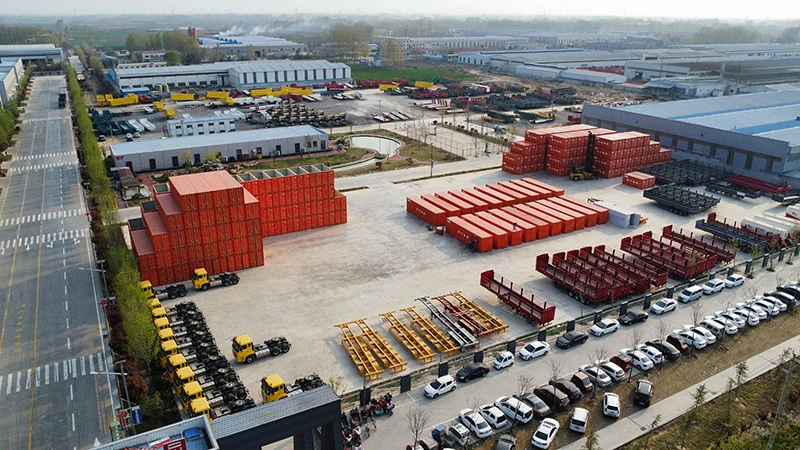
Our Factory
As one of the most professional semi trailer manufacturers, Vehicle Master provides OEM/ODM semi trailer products for customers from all over the world. Every year, we produce thousands of different types of semi trailers and trailer parts. By 2022, we have established close business relationships with thousands of customers from more than 40 countries worldwide. Vehicle Master strives for top notch quality, great value, and excellent customer service.
FAQ
Q: What is a fence semi trailer?
Q: What kind of cargo can be transported with a fence semi trailer?
Q: What are the advantages of using a fence semi trailer?
- Versatility: Fence semi trailers can be used to transport a wide range of goods, making them a versatile and flexible option for many industries.
- Security: The fence or barrier around the trailer provides added security and protection for the cargo being transported, preventing theft or damage.
- Easy loading and unloading: With removable or adjustable fence panels, fence semi trailers make it easy to load and unload cargo of varying sizes and shapes.
- Durability: Most fence semi trailers are made with high-strength steel or aluminum, making them durable and able to withstand heavy loads and rough terrain.
Q: What is the purpose of a fence semi trailer?
Q: What are the different types of fence semi trailers?
- Standard fence semi trailers: These trailers have a fixed fence or barrier around them, with removable or adjustable panels for easy loading and unloading.
- Livestock trailers: These trailers are designed to transport animals, with specialized features such as ramps, partitions, and watering systems.
- Curtain-side trailers: These trailers have a flexible curtain instead of a solid fence or barrier, allowing for easier loading and unloading of goods.
- Double-decker trailers: These trailers have two levels, with a fence or barrier around each level to transport more cargo in a smaller space.
Q: What kind of cargo can be transported in a fence semi trailer?
Q: How do I choose the right fence semi trailer for my needs?
Q: Are fence semi trailers customizable?
Q: What are the safety regulations for using a fence semi trailer?
Q: How do I maintain a fence semi trailer?
Q: What types of businesses typically use fence semi trailers?
Q: What materials are used to construct a fence semi trailer?
Q: What features can be added to a fence semi trailer?
Q: What is the weight capacity of a fence semi trailer?
Q: What is the purpose of a fence semi trailer?
Q: Are fence semi trailers suitable for long-distance transportation?
Q: How do you clean a fence semi trailer?
Q: Can a fence semi-trailer be customized to suit specific cargo requirements?
Q: What are the safety features of a fence semi trailer?
Q: How do you load and unload cargo from a fence semi trailer?
We're well-known as one of the leading fence semi trailer manufacturers in China. Please rest assured to buy high-grade fence semi trailer for sale here from our factory. All our products are with high quality and competitive price.
Fence Semi Trailer, Fence Cargo Semi Trailer, Fence Cargo Trailer