

Skeleton Semi Trailer
- We offer free customization options and factory prices;
- We are a semi-trailer factory with 40 years of manufacturing experience;
- Contact us now and you will get professional services from engineers with rich customization experience.


What is Skeleton Semi Trailer?
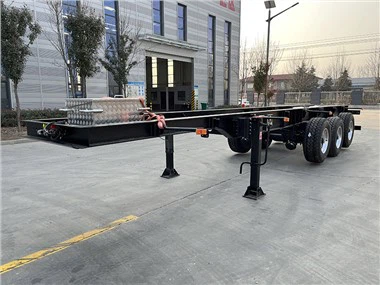
A skeleton semi trailer is a type of trailer that features a basic frame or chassis (known as "Skeleton") with wheels and axles attached to it. These trailers are capable of carrying heavy loads such as containers, machinery, and equipment. They do not have a permanent cargo box or body like other trailers, but rather offer a flatbed onto which loads can be secured with straps, chains, or other tie-downs. The skeletal design also contributes to the overall weight savings and fuel efficiency of the trailer.
Benefits of Skeleton Semi Trailer
High payload capability
Skeleton Semi Trailers have a high payload capability and can haul heavy loads. This makes them ideal for transporting bulk and heavy cargo. They can handle a maximum weight of up to 45,000 pounds or even more in many cases.
Versatility
Skeleton Semi Trailers can be used to transport a wide range of goods, including containers, palletized goods, and loose cargo. They come in different sizes and can be customized to suit specific hauling requirements, making them versatile.
Improved fuel efficiency
Considering their unique design and lighter weight, Skeleton Semi Trailers have better fuel efficiency than other trailers. Their open structure causes less air resistance, which results in less drag and reduced fuel consumption.
Cost-effective
The use of Skeleton Semi Trailers can reduce operational costs significantly, such as fuel consumption, maintenance costs, and operational expenses. They are typically less expensive to maintain than other trailers that have enclosed structures and require more specialized repairs.
Flexibility
A Skeleton Semi Trailer can be used to haul trailers in any environment, weather, or road conditions. From dry areas to wet and muddy conditions, it can operate efficiently and navigate through any terrain, which is an added advantage.
Easy loading and unloading
The open design of a skeleton semi trailer makes it easy to load and unload cargo using a crane or forklift. This feature saves time, effort, and labor cost. The driver can quickly load and unload without the need for additional personnel, which means quick turnaround times.
Safe and secure
The skeletal structure of a Skeleton Semi Trailer is designed to provide maximum safety and protection for the cargo being transported. The flatbeds and container carriers have fixed or removable tie-down points that keep the load in place during transit, reducing the risk of damage or accidents.
Cost-effective
The flatbed design of skeleton semi trailer makes it more cost-effective than other specialized trailers. Carriers do not need to purchase different types of trailers for various cargo types, as the skeleton semi trailer can transport almost any load, making it a more economical option.
Easy maintenance
Skeleton semi trailers have fewer moving parts, which means easy maintenance and lower maintenance costs. They require regular maintenance and lubrication for the flatbed, axles, and wheels that run on smooth and flat surfaces.
Types of Skeleton Semi Trailer
Flatbed skeleton semi-trailer
This is the most common type of skeleton semi-trailer, and it is used to transport standard containers and other large cargo items. It has a flat bed with no sides or roof, making it easy to load and unload cargo.

Tanker skeleton semi-trailer
This type of skeleton semi-trailer is designed to transport liquid or gas in large tanks. Tanker skeleton semi-trailers have cylindrical tanks that are mounted on a frame, with hoses and valves to fill and empty the tanks.
Container skeleton semi-trailer
This type of skeleton semi-trailer is specifically designed to transport shipping containers. It has a special frame that is designed to hold the containers in place securely during transport.


Bale transport skeleton semi-trailer
This type of skeleton semi-trailer is used to transport large bales of hay, straw, or other agricultural products. It has a special frame that is designed to hold the bales in place securely during transport.
Reel transport skeleton semi-trailer
This type of skeleton semi-trailer is designed to transport large spools of cable, wire, or other materials that are wound onto reels. It has a special frame that is designed to hold the reels in place securely during transport.


Log transport skeleton semi-trailer
This type of skeleton semi-trailer is designed to transport logs and other wood products. It has a special frame that is designed to hold the logs in place securely during transport.
The material used to manufacture a Skeleton Semi Trailer varies depending on the manufacturer and location, but typically, they are made of high-quality, durable steel or aluminium. Steel is the most commonly used material, as it is strong and durable, which makes it ideal for heavy loads and extended use. Aluminium is also a popular choice as it's lighter, more durable, and resistant to corrosion. Some manufacturers also use lightweight, high-strength composite materials such as carbon fiber to enhance the durability and weight of the trailer. Ultimately, the choice of material used to build a Skeleton Semi Trailer depends on the needs and requirements of the buyer.
Container transport
Whenever you see a container being transported on highways, a skeleton semi trailer is usually the transport vehicle. They are designed to easily transport standardized shipping containers of all sizes, from 20 feet to 45 feet long, across international borders. With their skeletal design, skeleton semi trailers can carry the container's weight and height with ease. In addition, they can handle multiple containers at once when joined, making them more efficient.
Construction materials transport
The construction industry is heavily reliant on skeleton semi trailers to transport heavy construction equipment, steel rods, concrete pipes, and other building components. The trailers are designed with the strength and stability needed to handle the experienced weight and size of the items being transported.
Agricultural equipment transport
Skeleton semi trailers are frequently used during the harvesting season to transport farm equipment such as tractors, combines, and plows. They have the necessary strength and stability to support the heavy-weight equipment being transported.
Oil and gas industry
Skeleton semi trailers are often used to transport heavy equipment such as drilling platforms and oil rig components. Since this type of equipment is large and heavy, skeleton semi trailers provide a perfect transport solution.
Oversized and unique cargo transport
Skeleton semi trailers are also used for the transportation of unique and oversized cargo that cannot be transported by regular trailers. Examples of such cargo include power transformers, wind turbine towers, bridges, and heavy steel beams. Skeleton semi-trailers provide the necessary support and security for the transport of these items.
Process of Skeleton Semi Trailer
Design and planning
The first step in building a skeleton semi trailer is designing and planning. This involves coming up with a blueprint, determining the size and dimensions of the trailer, and evaluating what materials will be needed to build the trailer.
Cutting and fabrication
Once the design is finalized, the next step is cutting and fabrication. The frame of the trailer is usually made of steel or aluminum, and requires cutting and welding to create the skeletal structure. Other components such as the axles, suspension, and wheels are also fabricated at this stage.
Surface treatment
After fabrication, the trailer frame is treated to prevent rust and corrosion. This can involve sandblasting, painting or powder coating depending on the material used and the level of protection required.
Assembly
The assembly stage involves combining different components such as the trailer frame, axles, suspension, and wheels. The flooring material, whether it's wood or aluminum, is also installed at this stage. The assembly process requires precision and attention to detail to ensure the trailer's overall stability and durability.
Electrical and lighting installation
The electrical and lighting systems are important components of a semi-trailer. The installation of these systems involves connecting wires, grounding, and installing light fixtures, reflectors, and signals. The electrical system should also include an emergency stop switch for safety purposes.
Final inspection and testing
Before the trailer is shipped out, it undergoes a final inspection and testing. The inspection ensures that all components are in good working order, the frame is secure, and the wiring is properly installed. Testing of components such as brakes, lights, and suspension is also performed to ensure that the trailer is safe and roadworthy.
Delivery
The final step is delivery. The completed trailer is transported from the manufacturing facility to the customer’s location. Proper transportation regulations are followed, and the trailer is secured safely on the transport vehicle.

Components of Skeleton Semi Trailer
Frame
The frame of a skeleton trailer is typically made of steel or aluminum and provides the core structure of the trailer. It is designed to be lightweight but strong enough to support the weight of heavy cargo.
Landing gear
The landing gear is the set of supports that provide stability to the trailer when it is not attached to a truck. It consists of two telescoping legs and is typically located at the front of the trailer.
Axles and suspension
The axles and suspension system of the trailer are responsible for carrying the weight of the cargo and distributing it evenly across the wheels. Most skeleton trailers have two or three axles, each equipped with air-ride suspension that helps to absorb shocks and bumps on the road.
Wheels and tires
The wheels and tires of a skeleton trailer are specially designed to withstand the weight and stress of heavy loads. The tires are usually made of reinforced rubber and are mounted on steel rims. Some trailers may also have additional spare tires mounted on the frame.
Coupling mechanism
The coupling mechanism is the component that connects the trailer to the truck, allowing it to be towed. It consists of a hitch and a kingpin that fit securely together to provide a strong attachment between the two vehicles.
Lighting and electrical system
The lighting and electrical system of the trailer includes the brake lights, turn signals, and other lights that are required by law. It also includes the wiring that connects the trailer to the truck’s power supply.
Braking system
The braking system of a skeleton trailer is designed to stop heavy loads safely and quickly. It includes air brakes that are activated by the truck’s braking system, as well as emergency brakes that can be manually activated in case of an emergency.
How to Maintain Skeleton Semi Trailer?
Regular cleaning
Your skeleton semi-trailer should be cleaned after every trip to remove mud, dust, and other debris. Clear out any materials, bolts, or any other items that were carried. A pressure washer can be an excellent tool to clean out the trailer thoroughly. Keeping the interconnected parts free from dirt will help in the smooth operation of the semi-trailer.
Inspection of brakes and suspensions
Brakes and suspensions are crucial parts of a semi-trailer. Therefore, inspecting them regularly should be a priority. Check that the brakes are functioning correctly and are not damaged or worn out. The suspensions should also be inspected for any wear, tear, or damages. These parts should be maintained and replaced as required.
Lubrication
The interconnected parts of the skeleton semi-trailer, such as the axles, hinges, and the fifth wheel, require lubrication. Proper lubrication of these parts preserves their functionality and prevents premature wearing. Apply the lubricant in the quantity recommended in the manufacturer's guidelines.
Check tires
The tires are the connection between the skeleton semi-trailer and the road, ensuring it is in optimal condition. Check the air pressure in the tires, tread depth, and any cuts or punctures. Properly inflated tires on the trailer will help prevent uneven wear and any blowout.
Electrical system maintenance
This includes all the lights and systems that control the lighting system. Check that the wiring is working correctly and that all the lights are working correctly. If there are any issues such as flickering lights or a blown bulb, it should be immediately repaired.
Company Profile
Since 1980s Brand VEHICLE MASTER was created, Whole Staff Begin to Think of truck trailer transportation, Through Almost 40 Years R&D, production and practice, Finally become famous Manufacturer and supplier of truck trailer. Vehicles Production Base over 40 years of development and accumulation. The leading products including flatbed semi trailer, low bed semi trailer, tanker semi trailer, side wall semi trailer, fence semi trailer, skeleton semi trailer, van semi trailer, dump semi trailer, special semi trailer and trailer parts. Sinotruk Shacman CC brands truck tractor, dump truck other truck series together with all spare parts, such as axles, landing gear, springs, suspension, etc.
Why choose us?
Professional team
Our professional team collaborate and communicate effectively with one another, and are committed to delivering high-quality results. They are capable of handling complex challenges and projects that require their specialized expertise and experience.
Customized services
Our team of experts will work closely with you to understand your needs and will provide solutions that are tailored to meet your expectations.
One-stop solution
We can offer a range of services, from consultation and advice to product design and delivery. It is a convenience for the customers, as they can get all the help they need in one place.
Global shipping
Our products support global shipping and the logistics system is complete, so our customers are all over the world.
Certifications


Our Factory
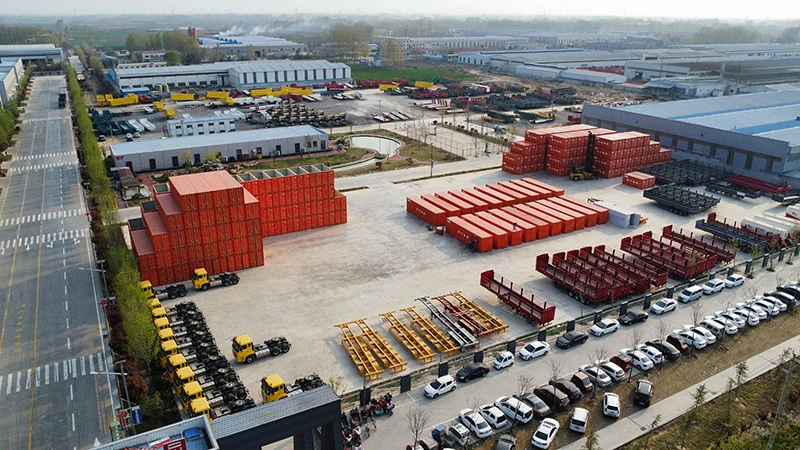
As one of the most professional semi trailer manufacturers, Vehicle Master provides OEM/ODM semi trailer products for customers from all over the world. Every year, we produce thousands of different types of semi trailers and trailer parts. By 2022, we have established close business relationships with thousands of customers from more than 40 countries worldwide. Vehicle Master strives for top notch quality, great value, and excellent customer service.
FAQ
Q: What is a skeleton semi trailer?
Q: What are the advantages of using a skeleton semi trailer?
Q: How much weight can a skeleton semi trailer carry?
Q: What types of containers can be transported with a skeleton semi trailer?
Q: Is a skeleton semi trailer easy to maneuver?
Q: What safety features are included in a skeleton semi trailer?
Q: How can I maintain my skeleton semi trailer?
Q: Is a skeleton semi trailer cost-effective?
Q: What types of cargo can be transported with a skeleton semi trailer?
Q: How do I choose the right type of skeleton semi trailer for my needs?
Q: How does a skeleton semi trailer operate?
Q: Is there any legal documentation required to transport goods on skeleton semi trailer?
Q: What safety measures are required when using skeleton semi trailers?
Q: How is a skeleton semi trailer different from other types of semi-trailers?
Q: What kind of materials is a skeleton semi trailer made of?
Q: How is a container secured to a skeleton semi trailer?
Q: What is the purpose of a skeleton semi trailer?
Q: What is the average lifespan of a skeleton semi-trailer?
Q: Why are skeleton semi-trailers preferred over other types of trailers?
Q: What are the common types of skeleton semi-trailers available in the market?
We're well-known as one of the leading skeleton semi trailer manufacturers in China. Please rest assured to buy high-grade skeleton semi trailer for sale here from our factory. All our products are with high quality and competitive price.
40 Foot Skeleton Trailer, 3 Axles Skeleton Semi Trailer, 20ft Skeleton Container Semi Trailer