

When The River Rises: How A Malaysian Palm Oil Estate Built A Year-Round Logistics Fleet
Leave a message
The Rain That Halted the Fleet
The rain in Sarawak does not merely fall - it descends. By October, rivers supplying the palm oil estates burst their banks, swallowing access routes and turning them into muddy waterways. For Tan and his logistics team at a mid-size estate near Sibu, the annual monsoon didn't just slow operations. It stopped them completely.
Every year, the pattern was the same: fresh fruit bunches ripening on the trees while trucks sat idle on higher ground, their trailers empty and their drivers reassigned to warehouse duty. The loss wasn't just about spoiled fruit. It was about contract penalties, missed delivery windows, and a reputation that suffered quietly in boardrooms hundreds of kilometres away.
A Procurement Trip That Changed Everything
The improvement this time did not come down to favorable weather. Instead, it stemmed from a purchasing decision taken six months prior, during Tan's trip to Shandong to tour three Chinese semi-trailer manufacturers.He wasn't looking for the cheapest option. He was looking for something that could survive the wet season without breaking down on the second mile.
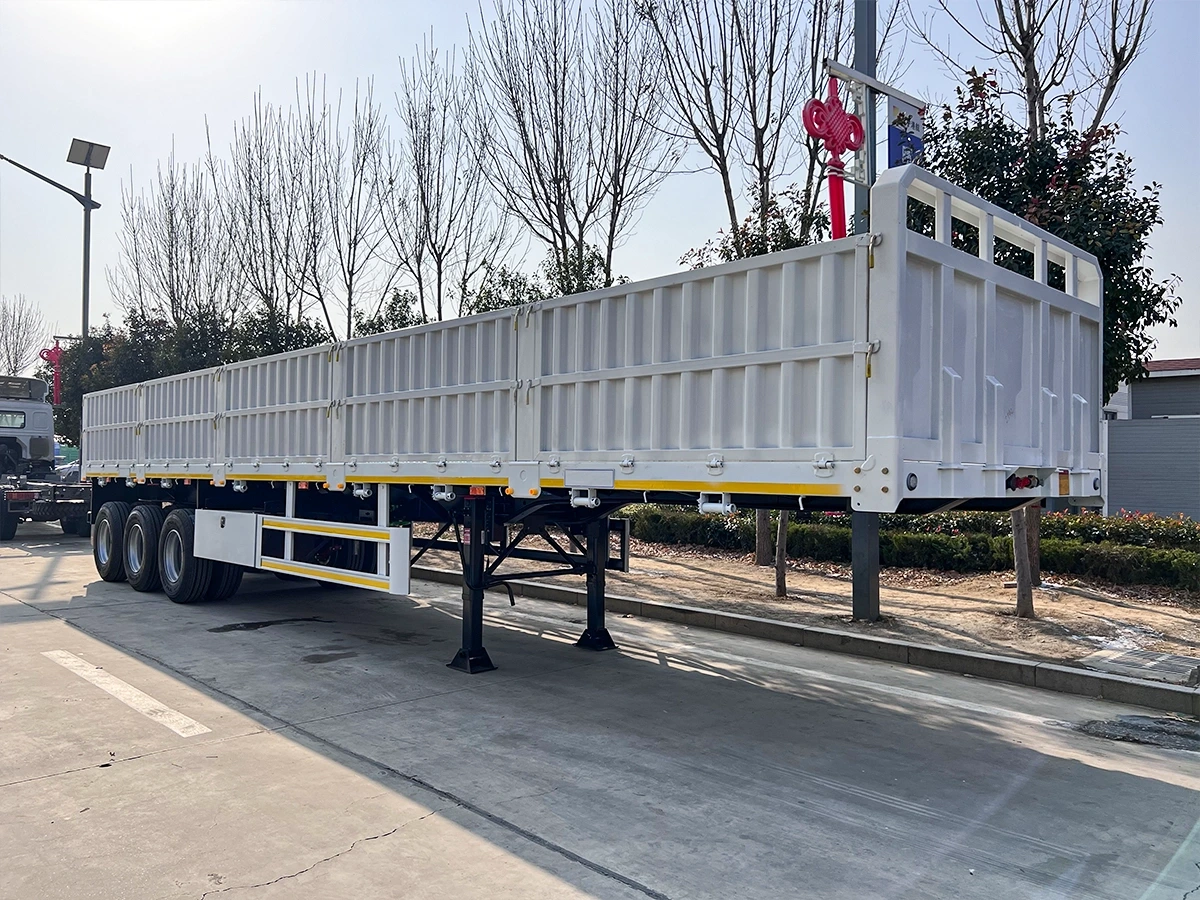
The estate's existing fleet consisted of aging flatbed semi trailer units - workhorses that had served well on dry-season hauls but struggled when the ground turned to mud and the load paths became unpredictable. What they needed wasn't another flatbed. They needed enclosed sides that could handle loose fruit bunches, stacked pallets of empty bunches, and the occasional machinery spare part - all without a tarpaulin flap coming loose on a corner.
Engineered for the Real World, Not the Spec Sheet
At our Liangshan factory, Tan held discussions with engineers with an exceptional grasp of Southeast Asian operating environments.They didn't start with a catalogue. They started with a map - the estate's actual access routes, the gradient of the plantation roads, the width of the bridge over the Sibu River that every trailer had to cross.
The specification that emerged was unusual for the region: a side wall semi trailer built with extra-heavy main beams, reinforced leaf spring suspension rated for 45 tons, and side panels with quick-release locking bars that could be opened from ground level - important when you're loading from a raised conveyor platform. The chassis was treated with a multi-layer anti-corrosion coating, because the combination of tropical humidity and salt-laden air near the coast was brutal on standard paint jobs.
Thirty Units And A Monsoon Test
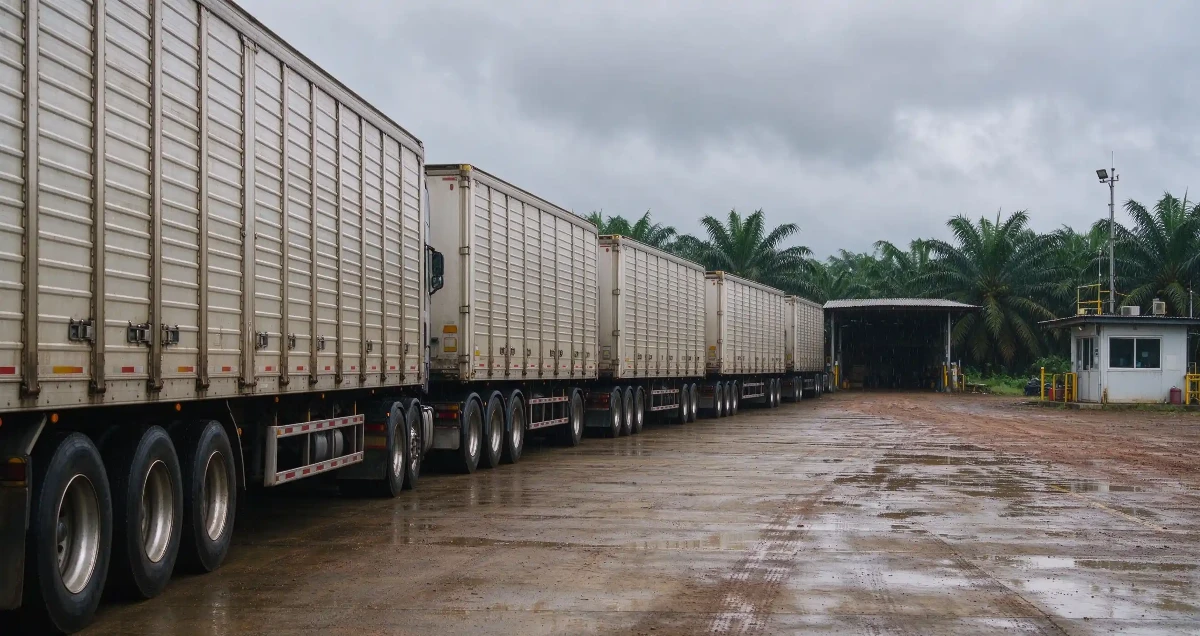
Thirty units were shipped from the Port of Qingdao in late March, stowed closely together aboard one container ship. Upon their arrival in Kuching and subsequent overland truck transport to Sibu, the early monsoon rains had already begun to batter the newly built access roads.The trailers performed. Not perfectly - no equipment does on roads that haven't been engineered for heavy vehicles - but well enough that Tan approved a second batch of twenty units in July, this time specifying fence semi trailer configurations for the drier interior routes where ventilation mattered more than weather protection.
The Numbers That Mattered
By the end of the monsoon season, the estate had processed 94% of its fresh fruit bunches within the optimal four-hour window from harvest to mill - up from 67% the previous year. The dump semi trailer units deployed on the rougher interior tracks saw some body damage from fallen branches, but the structural frames showed no fatigue. The anti-corrosion coating applied to the side wall assemblies performed exceptionally well; only slight surface oxidation was visible on the bottom cross beams.
The numbers that mattered most were simple: zero breakdowns attributable to trailer failure during the wet season, a 30% reduction in fruit loss from delayed transport, and a logistics cost per tonne that dropped by 18% because the fleet could run continuously instead of idling for weeks at a time.
A Pattern Across Southeast Asia
What took place in Sarawak is far from an isolated case. All over Southeast Asia - from Sumatra's plantations in Indonesia to the rubber farms in southern Thailand - operators are coming to see that the machinery they purchased five years ago was built for climate conditions that no longer apply. Monsoon seasons now stretch longer, road surfaces turn muddy and unstable more easily, and profit margins per tonne of CPO (crude palm oil) have never been tighter.
The answer isn't necessarily to buy more trailers. It's to buy the right trailers - ones engineered for the actual conditions on the ground, not the conditions on a spec sheet written in a temperate climate office.
Let's Talk About Your Fleet
Should your operations struggle with similar issues such as seasonal weather delays, rugged access routes, or transporting various cargoes within a single fleet, let's talk about improving the performance of your trailers. Our engineering team in Shandong works with operators across Southeast Asia, Africa, and South America to specify lowbed semi trailer and heavy haulage solutions that match real-world conditions. Whether you're planning a fleet upgrade or replacing units lost to wear and tear, we can put together a configuration that makes sense for your routes and your budget. Reach out through our contact form or email us directly - tell us about your roads, your cargo, and your timeline, and we'll send back a proposal within 48 hours.


